
IBC Tote Dimensions: A Complete Size & Specification Guide.
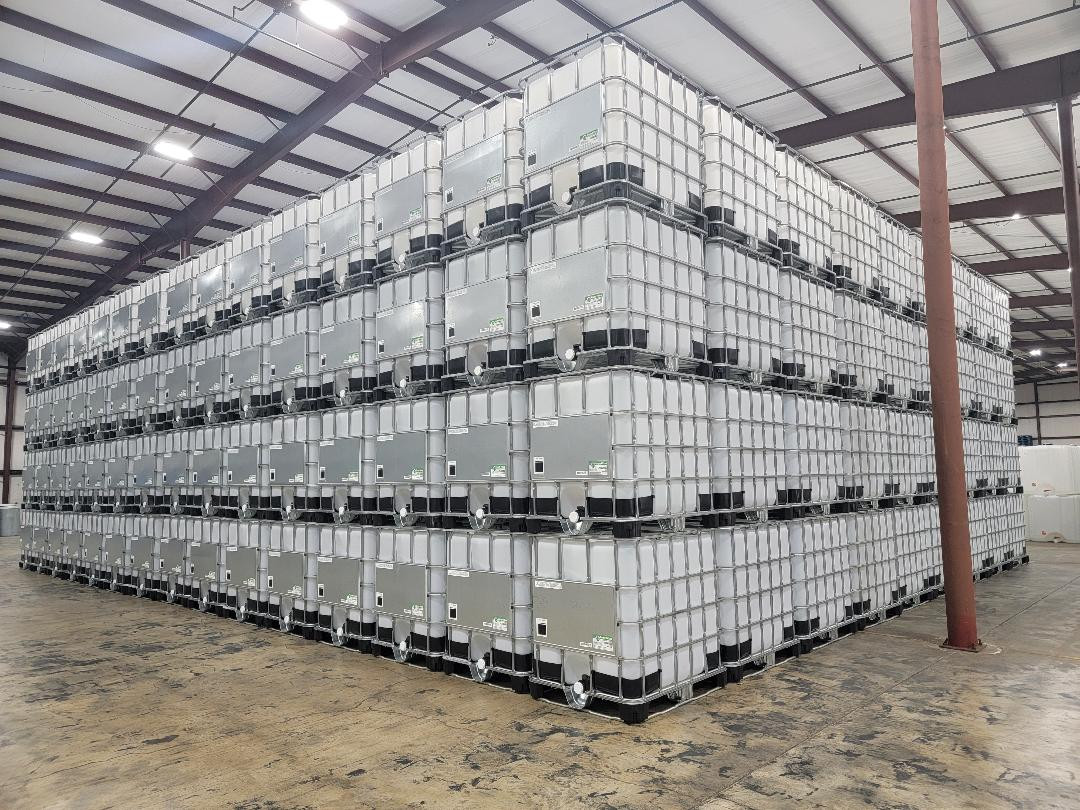
This complete size and specification guide provides the solution. We deliver a comprehensive, no-nonsense breakdown of standard dimensions, including the precise length, width, and height for the most common 275-gallon and 330-gallon IBCs. Inside, you will find a quick-reference chart and the critical data needed to confidently optimize shipping capacity, plan storage layouts with accuracy, and ensure you source the right containers for your operational footprint. Consider this your trusted resource for mastering the specifications that drive logistical efficiency.
Understanding the Standard IBC Tote Footprint
While Intermediate Bulk Containers (IBCs) are available in various capacities, their external footprint is remarkably standardized to streamline global logistics. Often referred to simply as totes, Intermediate bulk containers are engineered for maximum efficiency in shipping, handling, and storage. The most common sizes you will encounter are the 275-gallon and 330-gallon models, which share a nearly identical base footprint.
For quick reference, here are the typical specifications for these industry-standard totes:
| Capacity | Typical Dimensions (L x W x H) |
|---|---|
| 275 Gallon (1040 Liters) | 48" x 40" x 46" |
| 330 Gallon (1250 Liters) | 48" x 40" x 53" |
The Anatomy of IBC Dimensions
The overall ibc tote dimensions are a result of its three primary components working together. Understanding this composite structure helps clarify how different capacities can share the same footprint.
- The Outer Steel Cage: This tubular steel grid provides the primary structural integrity and protection for the inner bottle. It dictates the tote's length and width, establishing the standard 48" x 40" base.
- The Inner HDPE Bottle: Made from high-density polyethylene, the inner container's shape is designed to maximize volume within the cage's rigid frame. The main difference between a 275- and 330-gallon tote is the height of this bottle.
- The Integrated Pallet Base: The composite, wood, or steel pallet base allows for safe and easy handling. It features four-way forklift and pallet jack entry points and contributes to the tote's overall height.
Why the 48" x 40" Footprint is the Industry Standard
This specific footprint was not chosen by accident. The 48" x 40" dimension is the most common pallet size in North America (often called a GMA pallet) and is designed for maximum logistical efficiency. This standardization ensures that IBCs can be loaded into standard shipping trucks and intermodal containers with minimal wasted space, significantly reducing freight costs. It also guarantees compatibility with material handling equipment like forklifts and pallet jacks worldwide, making them a universally practical solution for bulk liquid and granular material transport.
Detailed Dimensions: 275-Gallon IBC Totes
The 275-gallon IBC tote is the most prevalent size in the industrial packaging industry, offering an optimal balance between storage capacity and logistical footprint. Its standardized base dimensions are designed for seamless integration with standard pallet racking and transport systems, making it a highly efficient solution for a wide range of applications. Understanding the precise 275-gallon ibc tote dimensions is critical for facility planning, shipping calculations, and ensuring operational compatibility.
Standard 275-Gallon (1040 Liter) Specifications
While manufacturing tolerances exist, the nominal dimensions for a standard 275-gallon tote are remarkably consistent across the industry. These measurements typically include the integrated pallet base and the protective steel cage.
- Typical Length: 48 inches (1219 mm)
- Typical Width: 40 inches (1016 mm)
- Typical Height: 46 inches (1168 mm)
Minor variations in overall height and weight can occur based on the pallet material. Totes with wood, steel, or composite plastic pallet bases may differ slightly, but the core 48" x 40" footprint remains the industry standard for efficient handling and stacking.
Weight and Capacity Considerations
Beyond physical size, weight is a crucial factor for safe handling and transportation. The specifications below are essential for calculating load limits for vehicles and warehouse flooring.
- Average Tare Weight (Empty): 120-150 lbs (54-68 kg)
- Approximate Full Weight (with Water): ~2415 lbs (~1095 kg)
It is vital to note that the maximum permissible weight is dictated by the tote's UN rating. This rating corresponds to the specific gravity (relative density) of the liquid being stored. For instance, a Y1.9 rating indicates the tote is certified to hold contents with a specific gravity up to 1.9. These certifications are rigorously defined by U.S. performance-oriented standards, ensuring the container can safely manage the pressure and stress exerted by denser materials.
Common Use Cases
The versatility and manageable size of the 275-gallon IBC make it a preferred choice for businesses with moderate volume requirements. Its applications span numerous sectors due to its efficiency in storage, transport, and dispensing. Common uses include the handling of chemicals, food-grade ingredients, solvents, lubricants, paints, and other non-hazardous liquids. For operations that need more than a drum but less than a full tanker, this tote provides the ideal intermediate solution. Browse Container Authority new, rebottled and reconditioned 275-gallon totes.
Detailed Dimensions: 330-Gallon IBC Totes
For operations requiring greater volume without sacrificing floor space, the 330-gallon IBC tote is the ideal solution. This model provides a significant 20% capacity increase over the 275-gallon standard while ingeniously maintaining the exact same pallet footprint. The primary difference in the ibc tote dimensions is its increased height, allowing businesses to leverage vertical space for more efficient storage and transport.
This design makes it a preferred choice for high-volume applications where maximizing product per square foot is a critical operational goal. By choosing a taller container, you can reduce the total number of totes needed, streamlining handling and inventory management.
Standard 330-Gallon (1250 Liter) Specifications
The base dimensions of the 330-gallon tote are standardized to ensure compatibility with existing pallet racking, transport systems, and handling equipment. The key specification change is the vertical measurement.
- Typical Length: 48 inches (1219 mm)
- Typical Width: 40 inches (1016 mm)
- Typical Height: 53 inches (1346 mm)
Weight and Capacity Considerations
The additional volume directly translates to a heavier loaded container. This increased weight is a critical safety and logistical factor that must be addressed before integration. Ensure your equipment and infrastructure can support the heavier load.
- Average Tare Weight: 135-165 lbs (61-75 kg)
- Approximate Full Weight (with water): ~2,895 lbs (~1313 kg)
Crucially, always verify that your forklifts, pallet jacks, and shelving systems are rated to handle a gross weight of at least 3,000 lbs per tote to ensure safe operation.
When to Upgrade to a 330-Gallon Tote
Choosing the right ibc tote dimensions is a strategic decision. The 330-gallon model offers distinct advantages for specific logistical needs. The standardized pallet base of Intermediate Bulk Containers (IBCs) is a key design feature, and this larger model capitalizes on it by expanding capacity upward. Consider upgrading if your operation requires:
- Maximized Vertical Storage: The taller profile uses overhead space in warehouses and trucks more effectively, increasing storage density without expanding your physical footprint.
- Improved Logistical Efficiency: Storing and shipping more product in a single container reduces the total number of units to handle, track, and transport, simplifying logistics.
- Cost-Effective Bulk Shipments: For large-volume shipments of a single product, using fewer, larger containers can lower per-gallon freight and handling costs.
How IBC Tote Dimensions Impact Logistics and Storage
Understanding the exact ibc tote dimensions is critical for operational efficiency. These specifications directly influence shipping costs, warehouse capacity, and handling procedures. Moving beyond simple volume, the length, width, and height of your totes dictate how effectively you can manage your inventory and supply chain from the loading dock to the production floor.
Truck Loading Capacity
Maximizing trailer space is key to reducing freight costs.
Warehouse Stacking and Racking
In a static warehouse environment, an IBC's dimensions determine storage density. Most new totes are rated for stacking 2-3 units high, but you must always verify the manufacturer's specification plate for the maximum stacking load. The tote’s height is a primary factor in optimizing vertical clearance and ensuring compliance with fire suppression system requirements. When designing pallet racking, ensure that beam capacities can handle a fully loaded IBC's weight and that shelf depths fully support the container's base to prevent overhang and instability.
Handling Equipment Requirements
Safe and efficient movement of IBCs depends on properly matched equipment. The forklift's tine length must be sufficient to support the entire depth of the tote's pallet base (typically 48 inches) to maintain stability during transport. Furthermore, the forklift's rated capacity must safely exceed the gross weight of a filled tote. Most modern IBCs feature a four-way entry pallet base, offering superior maneuverability in tight warehouse aisles compared to more restrictive two-way entry designs. Optimizing your handling procedures starts with the right container. Need a reliable supply for your logistics? Request a bulk quote.
Variations and Other Common IBC Sizes
While 275-gallon and 330-gallon totes represent the industry standard, many applications require different capacities and configurations. Understanding these variations is crucial for optimizing logistics, storage, and production processes. Beyond the standard HDPE composite models, factors like pallet material, cage construction, and specialized designs can lead to slight but significant deviations in overall measurements. Always consult the manufacturer's technical data sheet for exact specifications before purchase or integration into your facility.
Smaller Capacity Totes (120 & 220 Gallon)
For operations handling smaller batches of chemicals, additives, or food-grade ingredients, lower-capacity IBCs provide a more efficient solution. These totes reduce waste and are easier to manage when full product turnover is frequent. While their footprints can vary, they are often designed for logistical compatibility.
- 120-Gallon IBC Tote: Typically measures around 48" x 40" x 29" (L x W x H).
- 220-Gallon IBC Tote: Often has dimensions near 48" x 40" x 36" (L x W x H).
These smaller units are ideal for pilot projects, custom formulations, or facilities with limited vertical storage space.
How Pallet and Cage Design Affects Overall Size
The seemingly minor components of an IBC—the pallet base and protective cage—can alter the final ibc tote dimensions. These variations are critical when planning for automated systems, racking, or tight transport arrangements. The base material is the most common source of variance:
- Steel Pallets: Known for durability, they can add height and weight.
- Plastic Pallets: Lightweight and resistant to moisture, often resulting in a slightly lower overall height.
- Wood Pallets: A cost-effective option, but with dimensions that can vary more than molded plastic or steel.
- Composite Pallets: Combine steel and plastic for a balance of strength and performance.
Similarly, the tubular steel cage design can slightly influence the length and width. For this reason, it is critical to verify the exact ibc tote dimensions from the manufacturer's specification sheet to ensure a precise fit within your operational footprint. For specialized containers, such as stainless steel IBCs used in high-purity or flammable liquid applications, dimensions often differ entirely from standard composite models due to their unique construction requirements. For guaranteed supply assurance and precise specifications on our full range of industrial containers, trust the experts at Container Authority.
Your Trusted Partner for IBC Tote Solutions
Understanding the specifics of ibc tote dimensions is fundamental to optimizing your operational efficiency. From the universal 48” x 40” footprint that streamlines pallet racking and transport, to the critical height differences between 275 and 330-gallon models, every specification impacts your storage capacity and logistical costs. Mastering these details ensures you select the precise container to meet your industrial requirements without compromise.
When you need reliable supply assurance, Container Authority is ready to deliver. We provide competitive volume pricing on a complete inventory of new, reconditioned, and rebottled totes. With our commitment to on-demand, one-day delivery in our service area, you can trust us to keep your operations moving without interruption. Partner with the experts in industrial packaging and secure the quality containers your business depends on.
Get a quote for your bulk IBC tote needs today.
We look forward to becoming your trusted partner for industrial packaging solutions.
Frequently Asked Questions About IBC Tote Dimensions
What is the standard footprint of an IBC tote in inches?
The standard industrial footprint for an Intermediate Bulk Container (IBC) is 48 inches by 40 inches (48" L x 40" W). This dimension is intentionally designed to match the size of a standard shipping pallet, optimizing space for transportation, warehouse racking, and handling with forklifts or pallet jacks. This uniformity is critical for maintaining logistical efficiency and compatibility across supply chains, ensuring seamless integration into existing material handling operations and maximizing storage density.
How tall is a 275-gallon IBC tote?
A standard 275-gallon IBC tote is typically 46 inches tall, including the integrated pallet base. This measurement can have minor variations depending on the specific pallet material—such as wood, composite, or plastic—but 46 inches is the most common height specification. This dimension is a key factor for calculating storage capacity in racking systems and determining clearance requirements for transport, ensuring that the container fits within standardized vertical space allocations in warehouses and trailers.
How many 275-gallon IBC totes can you fit in a 53-foot trailer?
A standard 53-foot dry van trailer can typically accommodate 60 (275-gallon or 330-gallon) IBC totes. This is achieved by stacking the IBC two high and placing them with the valves facing each other or valves facing the trailer walls, two rows of 30 totes side-by-side down the length of the trailer. If the totes are filled with UN-rated product for stacking and the total weight does not exceed legal limits, it is possible to double-stack them, allowing for a maximum capacity of 20 totes. Always verify weight limits and stacking regulations before transport.
Are all IBC tote dimensions the same?
No, not all IBC tote dimensions are the same, although the 48” x 40” footprint is a widely adopted standard for logistical purposes. The most significant variation is in height, which changes based on the container's volume capacity. For example, a 330-gallon tote is taller than a 275-gallon model. Additionally, specialized IBCs designed for specific industries or applications may feature non-standard footprints to meet unique operational or spatial requirements.
What is the difference in height between a 275 and 330-gallon IBC tote?
The primary difference between a 275-gallon and a 330-gallon IBC tote is their height. While both typically share the same 48" x 40" footprint, a 330-gallon tote stands approximately 53 inches tall. In contrast, a 275-gallon tote is about 46 inches tall. This results in a height difference of roughly 7 inches, which is a critical specification when planning for storage rack clearance and optimizing trailer load configurations for bulk liquid transport.
How much does a full 275-gallon IBC tote weigh?
The total weight of a full 275-gallon IBC tote depends on the specific gravity of the liquid it contains. The empty (tare) weight of the tote itself is approximately 135 pounds. If filled with water, which weighs 8.34 pounds per gallon, the contents would weigh about 2,294 pounds. Therefore, a full tote of water would have a total weight of approximately 2,429 pounds. This figure will be higher for denser liquids.
]]>This practical guide delivers the expert clarity your project demands. We will cut through the complexity to provide a direct comparison of the most reliable water storage tanks available. You will learn how to confidently select the ideal container by understanding the key differences between IBCs and drums, how to verify food-grade ratings for potable water, and what is required for proper setup and long-term maintenance. Our goal is to equip you with the knowledge to implement a durable, cost-effective, and safe water storage solution tailored to your exact specifications.
Why Water Storage is Essential: Common Applications
A reliable, on-demand water supply is fundamental to safety, sustainability, and operational continuity. From residential emergency preparedness to large-scale industrial processes, having a dedicated water reserve provides critical security against municipal service disruptions and offers significant cost-saving opportunities. The effectiveness of this supply depends entirely on the quality and type of container used, with a vast range of water tank designs and materials engineered for specific applications. Investing in the correct water storage solution is a practical step toward self-sufficiency and operational resilience.
Emergency Preparedness
For homeowners and businesses, an on-site water supply is a cornerstone of any emergency plan. FEMA officially recommends storing a minimum of one gallon of water per person per day for at least three days. A dedicated tank provides a far greater buffer, ensuring security during natural disasters, boil water advisories, or unexpected utility failures. When stored in a properly sealed, food-grade container, water remains stable and safe for long-term use, offering peace of mind when it is needed most.
Rainwater Harvesting & Irrigation
Collecting rooftop runoff is a growing trend for both environmental and economic reasons. This sustainable practice reduces dependency on municipal water systems and lowers utility bills. Harvested rainwater is an excellent, naturally soft water source ideal for a variety of non-potable uses, including:
- Garden and landscape irrigation
- Washing vehicles and outdoor equipment
- Topping off swimming pools
- Non-potable household tasks like flushing toilets
Agricultural and Commercial Use
In agricultural settings, large-volume water storage tanks are indispensable for crop irrigation and providing drinking water for livestock, especially in areas with inconsistent rainfall. Commercially, water is a critical component in numerous processes, such as dust suppression on construction sites, mixing concrete, or as process water in manufacturing facilities. These demanding environments require durable, high-capacity containers built to withstand rigorous daily use and ensure a consistent supply for uninterrupted operations.
Choosing Your Container: IBC Totes vs. Drums for Water Storage
When selecting industrial-grade containers for water storage, the primary decision often comes down to two reliable solutions: Intermediate Bulk Containers (IBC Totes) and standard 55-gallon drums. Both offer distinct advantages in durability and function, but their designs cater to different operational scales and logistical needs. Understanding their core differences is key to implementing an efficient and effective water management strategy.
Intermediate Bulk Containers (IBC Totes)
An IBC tote is engineered for high-volume efficiency. It consists of a high-density polyethylene (HDPE) plastic tank housed within a protective, galvanized steel cage. This composite structure provides both durability and stability, making it a leading choice for bulk liquid handling.
- Large Volume: Standard capacities of 275 or 330 gallons provide significant storage in a single unit.
- Space Efficiency: The cubic footprint is highly efficient, storing the equivalent of five to six drums in a smaller, stackable area.
- Integrated Valve: A built-in valve at the base allows for easy, controlled dispensing without additional pumps or siphons.
Ideal use cases include large-scale rainwater collection systems, agricultural irrigation supply, and centralized water reserves for commercial or industrial facilities.
Poly & Steel Drums (55-Gallon Barrels)
Drums offer a modular and versatile approach to water storage. Their primary advantage is scalability, allowing you to start with a small capacity and expand your system incrementally.
- Poly Drums: Constructed from HDPE, these are lightweight, rust-proof, and often available in food-grade materials, making them a prime choice for potable water.
- Steel Drums: Offer superior durability and impact resistance. For potable water, they require a food-grade epoxy phenolic liner to prevent corrosion.
Their smaller, individual size makes them perfect for creating distributed emergency water caches, smaller residential rainwater harvesting setups, or for use in locations with limited access for larger tanks.
| Feature | IBC Tote | 55-Gallon Drum |
|---|---|---|
| Capacity | 275-330 Gallons | 55 Gallons |
| Footprint | High-density, cubic | Modular, requires more floor space per gallon |
| Portability | Requires forklift/pallet jack | Can be moved (empty) with a dolly |
| Cost per Gallon | Generally lower | Generally higher |
Ultimately, the optimal choice between an IBC tote and drums is dictated by your specific application. For large-volume, centralized storage where space efficiency and cost-per-gallon are critical, the IBC tote is the superior solution. For modular, scalable, or distributed systems, 55-gallon drums provide unmatched flexibility. Evaluating your capacity requirements and handling capabilities will ensure you select the right water storage tanks for your operational needs. Both solutions provide a reliable foundation for any robust water storage plan.
Key Selection Criteria: What to Look for in a Water Tank
Selecting the correct water storage tanks requires a pragmatic assessment of your specific needs, focusing on technical specifications over superficial features. The right choice ensures safety, longevity, and operational efficiency. Key considerations include the container's material, required capacity, and the fittings necessary for access. These factors directly impact whether the container is suitable for potable (drinking) water or non-potable applications like irrigation or industrial use.
Material Matters: HDPE, Steel, and Food-Grade Ratings
Material composition is the single most critical factor for safety. High-Density Polyethylene (HDPE) is the industry standard for its durability and chemical resistance. For potable water, the container must be food-grade. Look for a certification mark, such as NSF/ANSI 61, which guarantees the material is safe for drinking water. For IBC totes, this means using a new or "rebottled" tote with a brand-new inner bladder. Steel drums can also be used if they feature an appropriate food-grade epoxy phenolic liner.
Calculating Capacity: How Many Gallons Do You Need?
Determining the right volume prevents both shortages and inefficient use of space. For emergency preparedness, budget one gallon per person per day; a family of four needs at least 28 gallons for one week, making a 55-gallon drum a practical solution. For rainwater harvesting, use this formula to estimate potential: Roof Square Footage x Inches of Rainfall x 0.623 = Gallons Collected. This data allows you to select the appropriate container, such as standard 275-gallon or 330-gallon IBC totes.
Fittings and Access: Getting Water In and Out
Effective use of your storage container depends on its fittings. IBC totes typically feature a 2" valve with either NPT (National Pipe Thread) or Buttress threads. It is crucial to use the correct adapter to connect a standard garden hose for easy dispensing. Drums come in two main types: tight-head (sealed with bungs) and open-head (with a removable lid), which affects filling and cleaning access. All sealed containers also require a vent to prevent vacuum collapse during drainage.
Understanding these technical criteria is essential for sourcing reliable water storage solutions. For a comprehensive inventory of food-grade and industrial containers, view the product specifications at Container Authority.
Setup, Maintenance, and Safety for Your Water Storage System
Properly installing and maintaining your system is critical for ensuring the longevity of your equipment and the safety of your stored water. Whether you are using new or reconditioned water storage tanks, following established best practices for setup, cleaning, and ongoing care will guarantee a reliable water supply when you need it most.
Installation Best Practices
Water is incredibly heavy, weighing 8.34 pounds per gallon. A standard 275-gallon IBC tote will exceed 2,200 pounds when full. Therefore, a solid, level foundation is non-negotiable. We recommend a compacted gravel base or a reinforced concrete pad to prevent sinking or tipping. For gravity-fed systems, elevate your tank on a sturdy, purpose-built stand or a well-supported cinder block platform to create sufficient water pressure. In areas prone to high winds or seismic activity, securely anchor your tank to the foundation or an adjacent structure. Need parts for your setup? Browse our IBC fittings and accessories.
Cleaning and Water Treatment
Sanitizing your tank before its first use is an essential step. For all food-grade water storage tanks, use the following procedure:
- Create a cleaning solution of unscented household bleach and water. A standard ratio is approximately 1/4 cup of bleach for every 15 gallons of tank capacity.
- Thoroughly scrub all interior surfaces with the solution. Let it sit for at least one hour.
- Drain the tank completely and rinse multiple times with fresh water until no bleach odor remains. Allow the interior to air dry thoroughly.
To keep water safe long-term, use opaque, dark-colored tanks made from materials like HDPE. This blocks sunlight, which prevents algae growth. For potable water, consider using water purification tablets or drops before consumption as a final safety measure.
Essential Rainwater Harvesting Accessories
A functional rainwater harvesting system relies on a few key components to collect clean water efficiently.
- Downspout Diverter: This device attaches to your existing gutter downspout, channeling rainwater into your tank. Most models can be manually opened or closed to bypass the tank once it's full.
- First-Flush Diverter: The initial rainfall washes contaminants like dust, pollen, and bird droppings off your roof. A first-flush diverter captures and discards this dirty "first flush" before allowing cleaner water to fill the tank.
- Mesh Screens: Install fine mesh screens over the tank's inlet to prevent leaves, large debris, and insects from entering and contaminating your water supply.
Finalize Your Water Storage Strategy with a Trusted Partner
Choosing the right container is the cornerstone of a successful water storage strategy. From understanding the key differences between high-volume IBC totes and versatile poly drums to implementing a rigorous maintenance and safety plan, every decision impacts your operational readiness. A well-planned system built with quality water storage tanks not only secures your supply but also protects your assets and personnel.
When you are ready to source your containers, turn to Container Authority. As your trusted partner for industrial-grade solutions, we provide the supply assurance and competitive volume pricing your business demands. We ensure you get what you need, when you need it, with one-day delivery available across Kentucky, Ohio, Virginia, Tennessee, Georgia, and South Carolina. Equip your facility with the industry's best and build a resilient system you can depend on. View our inventory of IBC totes and drums for your water storage needs.
Frequently Asked Questions
Can you drink water stored in an IBC tote?
Yes, but only if the Intermediate Bulk Container (IBC) is designated as food-grade. For potable water storage, you must use a new tote or a previously used tote that exclusively contained food products. Never use an IBC that has held industrial chemicals, solvents, or non-potable substances, as harmful residues can leach into the water over time, making it unsafe for consumption. Always verify the container's history to ensure complete safety and compliance.
What is the difference between a new, rebottled, and reconditioned IBC tote?
A new IBC tote features a brand new inner bottle (HDPE bladder) and a new outer cage. A rebottled IBC has a new, unused inner bottle placed within a used, inspected, and certified cage, offering a cost-effective solution for applications requiring product purity. A reconditioned IBC consists of a professionally cleaned, pressure-tested, and inspected used bottle inside a used cage. Reconditioned totes are suitable for non-potable or industrial applications where a new bottle is not required.
How do you connect a garden hose to an IBC tote or a 55-gallon drum?
To connect a garden hose, you will need a specific adapter. Most IBC totes feature a 2-inch valve with either NPT (National Pipe Thread) or Buttress threads. An adapter is required to convert this larger outlet to the standard 3/4-inch Garden Hose Thread (GHT). For 55-gallon drums, you can install a faucet into one of the bung openings, which typically requires a bung wrench and a faucet with matching NPT threads, often with a GHT outlet.
How long can you safely store water in a plastic tank?
When stored correctly, potable water can last indefinitely. For optimal safety and quality, the water should be properly treated and kept in a food-grade, opaque plastic container that blocks all sunlight. While the water remains safe, it is best practice to rotate your supply every 6 to 12 months to ensure freshness. The longevity depends heavily on the initial water quality, storage temperature, and complete absence of light, which prevents biological growth.
What is the best way to prevent algae from growing in my water tank?
The most effective method for preventing algae growth is to eliminate sunlight exposure completely. Algae requires light for photosynthesis. Utilize opaque, dark-colored water storage tanks, such as those made from black or dark green HDPE plastic. If your tank is translucent, you can paint the exterior a dark color or enclose it in a light-blocking structure. Ensuring the tank is sealed also prevents airborne spores from contaminating the water supply and contributing to growth.
Are steel drums a good choice for storing drinking water?
Yes, steel drums are a suitable choice for storing drinking water if they have a food-grade epoxy phenolic liner. This internal coating creates a barrier that prevents the water from contacting the steel, which would otherwise rust and contaminate the supply. It is critical to use a new, food-grade drum or a professionally reconditioned one where the liner's integrity is confirmed. Never use an unlined steel drum or one that previously held toxic materials for potable water.
How much does a 275-gallon IBC tote weigh when full?
A full 275-gallon IBC tote has a substantial weight that requires careful handling. Water weighs approximately 8.34 pounds per gallon, so the water alone will weigh about 2,294 pounds (275 x 8.34). Adding the empty weight of the tote (typically 130-150 pounds for the cage and bottle) brings the total weight to approximately 2,425 to 2,445 pounds. This is a critical specification for calculating floor loads and determining transportation requirements.
]]>Selecting the right container for your materials is a critical operational decision. When faced with a range of UN ratings, material compositions, and valve configurations, choosing the correct ibc tote can seem complex, impacting both safety and compliance. Misinterpreting industry jargon can lead to costly errors and logistical delays, making a clear understanding of these industrial packaging solutions essential for maintaining efficiency and protecting your assets.
This guide serves as your definitive resource for navigating the world of Intermediate Bulk Containers. We provide the technical clarity needed to differentiate between tote types, understand critical specifications for hazardous and non-hazardous liquids, and evaluate the cost-benefit of new versus reconditioned units. By the end, you will be equipped to confidently select the precise IBC solution for your application, ensuring you partner with a supplier that delivers quality and supply assurance.
What is an IBC Tote? Anatomy of an Industrial Workhorse
In modern industrial logistics, efficiency and reliability are non-negotiable. The Intermediate bulk container, or IBC, represents a significant evolution from traditional 55-gallon drums, offering a superior solution for transporting and storing bulk liquids and granulated substances. An ibc tote is engineered to maximize volume and minimize handling, providing a reusable, space-saving, and highly efficient packaging standard for a vast range of industries.
The key advantages of an IBC tote are immediately clear in any operational setting:
- Efficiency: A standard 275-gallon IBC holds the equivalent of five drums but occupies a smaller footprint, drastically reducing handling time and labor costs.
- Space-Saving Design: The cubic shape allows for tight, stable stacking, optimizing warehouse and transport space.
- Reusability: Built for durability, IBCs can be cleaned, reconditioned, and reused multiple times, offering a cost-effective and environmentally responsible packaging solution.
Understanding the components of this industrial workhorse is key to selecting the right container for your specific application.
The Inner Bottle (Liner)
The core of the IBC is its seamless inner bottle, typically manufactured from high-density polyethylene (HDPE). This material provides excellent chemical resistance, impact strength, and durability. Liners are available in different colors and thicknesses; translucent (natural) bottles allow for quick visual inspection of fluid levels, while black bottles contain carbon black for crucial UV protection, safeguarding light-sensitive contents during outdoor storage.
The Outer Cage and Pallet Base
Protecting the inner bottle is a rigid outer cage constructed from galvanized tubular steel. This framework provides the structural integrity required for stacking and shields the liner from impacts during transit. The cage is mounted on an integrated pallet base, which can be made of steel for maximum durability, plastic for hygienic applications, or a composite hybrid. This design facilitates immediate and safe handling with forklifts or pallet jacks from all sides.
Valves, Lids, and Fittings
An IBC's functionality depends on its high-quality fittings. The top features a fill port, typically a 6" screw-cap lid with gaskets made from materials like EPDM or Viton to ensure a secure seal. At the base, a 2" discharge valve provides controlled dispensing. The most common types are butterfly valves, known for their reliability, and ball valves, which offer more precise flow control. These valves terminate in standard thread types, such as 2" NPT or Buttress, ensuring compatibility with a wide range of hoses and attachments.
Types of IBC Totes: Choosing the Right Container
Selecting the correct Intermediate Bulk Container is a critical decision driven by one primary factor: the product you intend to store or transport. The chemical composition, purity requirements, and regulatory status of the contained material dictate the necessary specifications of the container. To ensure safety, compliance, and product integrity, use the following framework to identify the ideal ibc tote for your application.
Consider these three key categories when making your selection:
- Condition: Is a brand new container required, or will a reconditioned unit suffice?
- Material: Does your product require plastic (HDPE) or metal (stainless/carbon steel)?
- Rating: Do you need a food-grade or UN-rated container for compliance?
By Condition: New, Rebottled, and Reconditioned
The condition of an IBC tote directly impacts its cost and suitable applications. Each grade offers a distinct value proposition for different operational needs.
- New Totes: Consisting of a brand new cage, pallet, and inner bottle, these are essential for sensitive applications like pharmaceuticals, food ingredients, or high-purity chemicals where zero cross-contamination is mandatory.
- Rebottled Totes: A cost-effective hybrid, these totes feature a professionally cleaned, inspected, and reused cage and pallet paired with a brand-new inner bottle. They provide a sterile product contact surface without the full cost of a new unit.
- Reconditioned Totes: These are used totes that have been professionally drained, cleaned, tested, and certified for reuse. They are the most economical option and are ideal for non-sensitive materials like industrial chemicals, waste products, or water.
By Material: Plastic vs. Metal
The container's material must be chemically compatible with your product. Caged High-Density Polyethylene (HDPE) totes are the industry standard, but certain applications demand the durability and unique properties of metal.
- Caged HDPE Totes: The most common type of ibc tote, these are ideal for a vast range of non-flammable liquids, chemicals, and food products. While their rigid structure is excellent for handling, it's important to note they differ from flexible containers, which have unique handling requirements such as the official OSHA standards for lifting FIBCs.
- Stainless Steel Totes: Built for flammable materials, high-purity contents, or high-temperature applications, stainless steel offers superior durability, corrosion resistance, and reusability.
- Carbon Steel Totes: A rugged and durable option, carbon steel is well-suited for storing oils, lubricants, solvents, and other non-corrosive industrial materials.
By Rating: Food-Grade, UN-Rated, and Non-Rated
Regulatory ratings ensure your container meets specific safety and quality standards for transport and storage.
- Food-Grade Totes: These totes are constructed from 100% virgin HDPE resin and other FDA-approved materials, ensuring they are safe for storing consumables, beverages, and other food products.
- UN-Rated Totes: Certified by the United Nations, these containers have passed rigorous testing for transporting specific Packing Groups (PG II and PG III) of hazardous materials, ensuring compliance with DOT regulations.
- Non-Rated Totes: Typically reconditioned units, these are perfect for general-purpose use with non-hazardous and non-regulated materials like water, non-toxic cleaners, or agricultural products.
Understanding these options is the first step toward optimizing your bulk liquid handling. For expert guidance and a full inventory, browse our selection of New and Reconditioned IBC Totes.
Decoding IBC Tote Specifications: Dimensions, Capacity, and Ratings
The efficiency of the modern IBC tote stems from its standardized design, which optimizes shipping, stacking, and handling across global supply chains. Understanding the specific dimensions, capacity, and ratings of an intermediate bulk container is not just a matter of logistics—it is essential for ensuring operational safety and regulatory compliance. This section provides a direct breakdown of the key specifications you need to evaluate.
Standard IBC Tote Capacities and Dimensions
While various sizes exist, two capacities have become the industry standard due to their optimal balance of volume and footprint, designed to maximize space in shipping trucks and warehouses.
- 275-Gallon Totes: The most prevalent size, typically measuring 48" L x 40" W x 46" H. This model is the workhorse for a vast range of liquid transport and storage needs.
- 330-Gallon Totes: For higher-volume applications, this tote usually measures 48" L x 40" W x 53" H. It provides 20% more capacity on the same standard pallet footprint, enhancing efficiency.
It is critical to consider weight. An empty IBC tote weighs approximately 135-160 lbs, but when filled with a water-like substance, a 275-gallon unit can exceed 2,500 lbs. Always confirm your handling equipment can manage the maximum gross weight.
Understanding UN Ratings (e.g., 31HA1/Y/…)
For transporting regulated or hazardous materials, the UN rating is the most important specification. This alphanumeric code is a performance certification, not just a model number. Failure to match the UN rating to your product can result in significant fines and safety hazards.
Let's decode a common rating: 31HA1/Y/1.9
- 31HA1: Defines the container type. '31' indicates a composite IBC, 'H' specifies a plastic inner receptacle, and 'A1' denotes a steel outer cage for liquids.
- Y: Represents the Packing Group certification. This is a critical safety indicator.
- X = Packing Group I (High Danger)
- Y = Packing Group II (Medium Danger) & III
- Z = Packing Group III (Low Danger)
- 1.9: Indicates the maximum specific gravity of the liquid the container is rated to hold.
Using a container with a rating appropriate for your material is a legal requirement. Industry groups like the Rigid Intermediate Bulk Container Association work to uphold these standards, which are fundamental to safe transport. Always verify your product’s Safety Data Sheet (SDS) to determine the required Packing Group.
Key Features to Check Before Buying
Beyond the primary specifications, several component choices affect an IBC’s performance and compatibility with your existing systems.
- Valve and Outlet: Confirm the valve type (e.g., ball or butterfly) and outlet connection (e.g., 2" NPT or Buttress thread) match your dispensing equipment. Gasket material (EPDM, Viton) must also be chemically compatible with the contents.
- Lid Type: Lids are typically 6" or 9" and can be vented or non-vented. Vented lids are required for products that off-gas to prevent dangerous pressure buildup.
- Pallet Material: Pallets are available in wood, plastic, and composite (steel/plastic). Wood is cost-effective, while plastic is ideal for hygienic environments, and composite pallets offer maximum durability for demanding applications.
Common Industrial Applications for IBC Totes
The versatility of Intermediate Bulk Containers makes them a critical asset across numerous industrial sectors. Their robust design, standardized dimensions, and large capacity solve key logistical challenges related to the storage, transport, and distribution of bulk liquids. An ibc tote provides an efficient, space-saving, and cost-effective alternative to using individual drums or barrels, streamlining operations from the chemical plant to the farm.
Chemicals, Coatings, and Lubricants
For handling sensitive and hazardous materials, safety and compliance are paramount. UN-rated IBCs are engineered to securely transport bulk chemicals and industrial solvents, minimizing the risk of leaks or spills. They are the preferred packaging solution for:
- Storing and shipping industrial paints, adhesives, and coatings.
- Distributing motor oils, lubricants, and hydraulic fluids.
- Transporting raw chemical ingredients and reagents.
Food and Beverage Industry
In applications requiring strict hygiene, food-grade IBC totes made from virgin, BPA-free HDPE are essential. These containers ensure product purity and prevent contamination during storage and transit. Common uses include:
- Transporting syrups, molasses, and liquid sweeteners.
- Storing and shipping cooking oils, vinegar, and sauces.
- Bulk distribution of wine, fruit juices, and potable water for events.
Agriculture and Water Storage
The agricultural industry relies on the durable construction of the ibc tote for demanding outdoor applications. Their resilience to UV radiation and harsh weather makes them ideal for on-site liquid management, including:
- Storing and applying liquid fertilizers, herbicides, and pesticides.
- Implementing rainwater collection systems for sustainable irrigation.
- Providing a reliable water source for livestock in remote pastures.
Waste Management and Environmental Services
Proper containment of industrial byproducts and waste is crucial for environmental protection. IBCs offer a secure solution for collecting and transporting non-hazardous liquid waste for processing or disposal. They are frequently used in:
- Collecting used oils, coolants, and other industrial fluids.
- Spill containment systems and emergency response kits.
- Consolidating liquid waste streams for efficient disposal.
Ensuring you have the correct container specification is vital for operational safety and efficiency. Need a specific tote for your industry? Request a quote.
A Practical Guide to IBC Tote Handling and Storage
Proper handling and storage are critical for maximizing the operational lifespan of your IBC tote and ensuring workplace safety. Adhering to established best practices prevents costly damage, avoids dangerous spills, and maintains the structural integrity of your containers. These guidelines are essential for any operation that relies on the efficiency and reliability of intermediate bulk containers.
Safe Lifting and Transport Procedures
The immense weight of a filled IBC tote requires specialized equipment and strict procedures. Forklifts are the primary tool for movement, but they must be used correctly to prevent punctures or tipping. Always ensure the forks are evenly spaced and extend at least 75% of the way through the pallet base before lifting. During transport on trucks or trailers, use high-quality straps to secure the container firmly in place, preventing any shifting that could damage the valve or cage.
- Proper Fork Placement: Lift only from the pallet base. The forks should be positioned to distribute weight evenly.
- Do Not Lift From the Cage: Never attempt to lift an IBC from the top bars or any part of the protective steel cage. This structure is not designed to support the container's full weight and can fail catastrophically.
- Secure for Transit: Utilize ratchet straps over the top and around the base to anchor the tote to the vehicle bed, minimizing movement.
Stacking Rules and Storage
Understanding load capacity is fundamental to safe storage. An IBC's static load capacity (when stationary) is much higher than its dynamic load capacity (during transport). For stationary storage, most IBCs can be stacked two or three high, but always verify the manufacturer's specifications. Stacking improperly can lead to container failure and hazardous material release.
- Stacking Limits: For most standard totes, limit static stacking to a maximum of 3 units high. Never stack totes during transport.
- Uniform Stacking: Only stack containers of the identical size, type, and manufacturer. Mismatched totes create an unstable and unsafe column.
- Storage Location: Always store IBCs on a level, solid surface away from high-traffic areas to prevent accidental impacts.
Basic Maintenance and Inspection
Routine inspection is a simple yet effective way to prevent leaks and extend the service life of your containers. Before each use, perform a quick visual check. Ensure the inner HDPE liner has no cracks, the steel cage is free from significant rust or bent bars, and all markings are legible. For quality replacement parts or a new ibc tote, trust a reliable supplier. You can find a complete inventory of industrial packaging solutions at containerauthority.com.
- Check Valves and Gaskets: Inspect the valve, lid, and gaskets for signs of wear, brittleness, or damage that could compromise the seal.
- Inspect the Cage: Look for corrosion, broken welds, or dents in the metal cage that could affect its structural integrity.
- Cleaning Guidelines: If reusing totes, ensure they are thoroughly cleaned according to industry standards for the previously stored material.
Secure Your Supply Chain with the Right IBC Tote
As this guide has detailed, Intermediate Bulk Containers are a cornerstone of efficient industrial logistics. Understanding their anatomy, types, and critical specifications is essential for ensuring operational safety and compliance. From chemical transport to food-grade storage, selecting the appropriate container directly impacts the integrity of your product and the productivity of your workflow.
Choosing the right ibc tote is a critical decision, and Container Authority is your trusted partner in that process. We provide more than just packaging; we deliver supply assurance. Our extensive UN-rated inventory ensures you have access to the quality containers you need, while our volume pricing provides a cost-effective solution for your budget. With one-day delivery available in our service region, you can count on us to keep your operations running smoothly.
Let our experts help you specify the perfect solution for your application. Get a quote for your bulk container needs today. Secure your operations with a partner you can rely on.
Frequently Asked Questions About IBC Totes
What is the difference between a rebottled and a reconditioned IBC tote?
A rebottled IBC features a brand-new inner bottle made from virgin HDPE, placed within a reconditioned steel cage. This is ideal for applications requiring high purity. A reconditioned IBC has had its original inner bottle professionally cleaned and leak-tested, and is also housed in a reconditioned cage. Reconditioned totes are a cost-effective solution for non-sensitive industrial materials where a new bottle is not a strict requirement for the application.
Are IBC totes safe for drinking water (potable water)?
Only IBCs designated as food-grade and that have never held any other substance are safe for potable water. Totes that previously contained chemicals, even after cleaning, can retain residue in the HDPE plastic, posing a serious health risk. For drinking water applications, always procure a new, FDA-approved, food-grade IBC to ensure complete safety and compliance with health standards. Never use a previously filled container for potable water.
How many times can an IBC tote be reused?
The lifespan of an IBC depends on its components and usage. The outer steel cage can be reused indefinitely if it remains structurally sound. The inner HDPE bottle has a more limited lifespan, typically recommended for replacement after five years for UN-rated hazardous material transport. For non-hazardous materials, the bottle can often be used longer, provided it passes regular integrity inspections for cracks, UV degradation, and leaks to ensure safety and performance.
How much does an empty 275-gallon IBC tote weigh?
An empty 275-gallon IBC tote typically weighs between 125 and 150 pounds (approximately 57 to 68 kg). This weight can vary based on the pallet material, with steel pallets being heavier than composite or wood pallets. The specific weight, including the HDPE bottle, steel cage, and integrated pallet, is a critical specification for calculating shipping costs and ensuring proper handling equipment is utilized for logistical operations and supply assurance.
What does the 'Y' in a UN rating on an IBC tote mean?
The 'Y' in a UN rating (e.g., 31HA1/Y) designates that the IBC is approved for transporting materials of Packing Group II (medium danger). The UN system classifies hazardous materials into three groups: Packing Group I (high danger, marked 'X'), Packing Group II (medium danger, 'Y'), and Packing Group III (low danger, 'Z'). This rating is essential for ensuring regulatory compliance when shipping regulated substances and selecting the correct industrial container.
Can you stack full IBC totes on top of each other?
Yes, full IBC totes are designed for stacking to optimize storage space, but strict guidelines must be followed. Always consult the manufacturer's data plate for specific stacking limits. Generally, full totes can be stacked two to three high in a static, warehouse environment on a perfectly level surface. For transport (dynamic load), stacking is typically limited to one-on-one, or not permitted at all, depending on the container and vehicle specifications.
How do I connect a hose to an IBC tote valve?
To connect a hose, you must first identify the valve's thread type on your IBC tote, which is commonly a 2-inch Buttress (S60x6) or NPT thread. A standard garden hose will not connect directly. You will need a specific adapter, such as an S60x6 to Garden Hose Thread (GHT) adapter. Securely screw the adapter onto the IBC valve, and then attach your hose to the adapter for a leak-free connection for efficient dispensing.
Contact Container Authority at (859) 881-3190 for new IBC totes, Rebottled IBC or clean-used Reconditioned IBC totes.
2026 Industrial Packaging News
IBC Tote Dimensions: A Complete Size & Specification Guide.
Planning your warehouse layout or calculating a full truckload requires exact figures, but even slig...